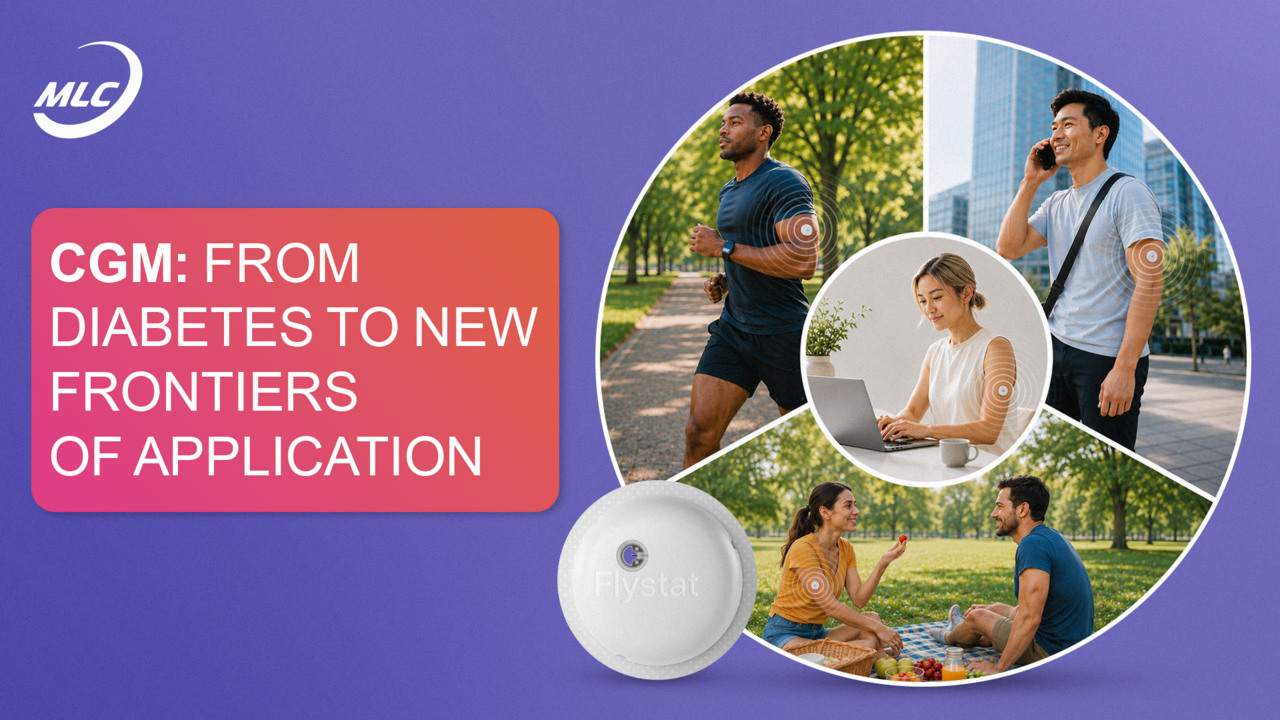

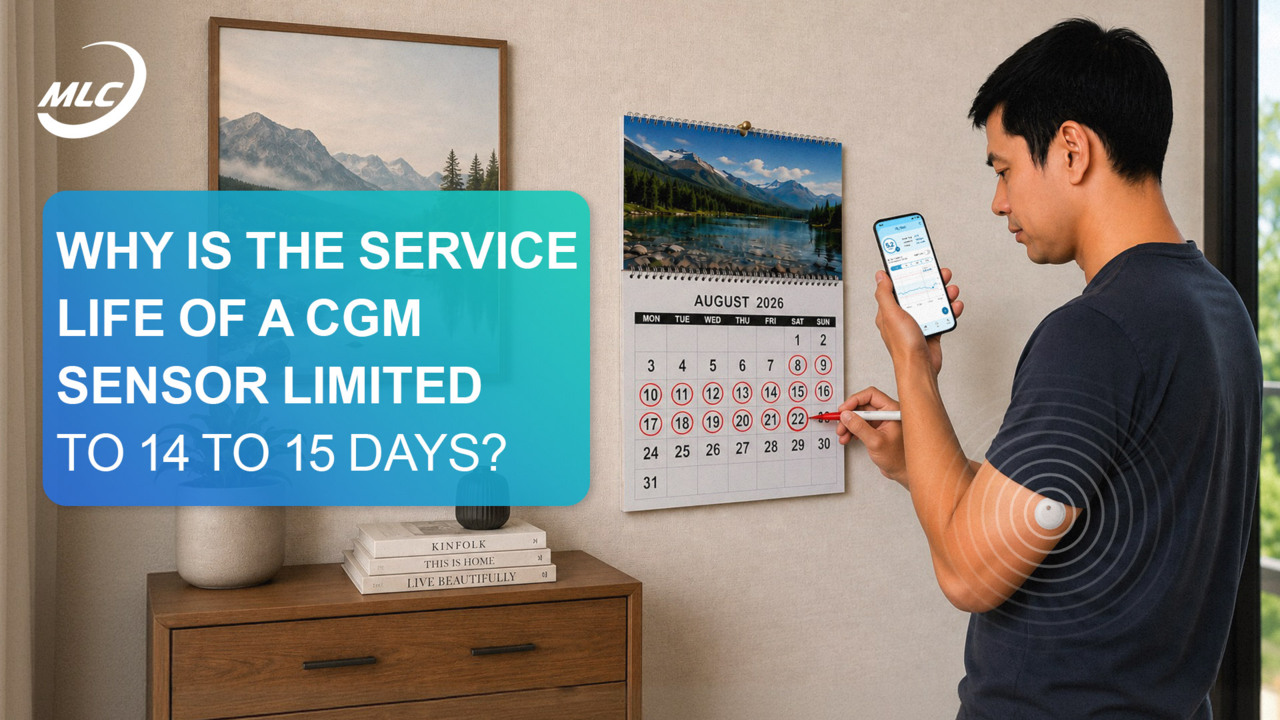
Continuous glucose monitoring systems are medical devices that help millions of people take control of their health on a daily basis. The sensor has a strictly limited service life, currently capped at 14–15 days. Why is it designed this way and not to last longer?
The body's immune response
The biosensor of the CGM system sits beneath the skin, within the interstitial fluid. The body sees the biosensor as something foreign and activates its natural defenses, covering the sensor with proteins and cells. This gradually obstructs the membranes and diminishes the sensor's sensitivity, a process that cannot be corrected through software adjustments.
Design features and safety
The biosensor is applied under the skin using a special microneedle; the device is engineered to prevent reuse of the needle. What's more, the biosensor is designed for one‑time use, which keeps it sterile and lowers the chance of infection.
Scar tissue formation
If you wear the sensor for more than 15 days, it can cause tiny scars at the insertion site, since your body naturally wraps the foreign object in connective tissue. This can make it uncomfortable to put the sensor on the same spot again.
CGM Flystat by MLC is designed for 15-day continuous operation. This optimal wear time delivers the best balance of user convenience and measurement precision.
Continuous glucose monitoring is a prime example of advanced technology working hand‑in‑hand with human biology, while respecting the body's natural processes.